
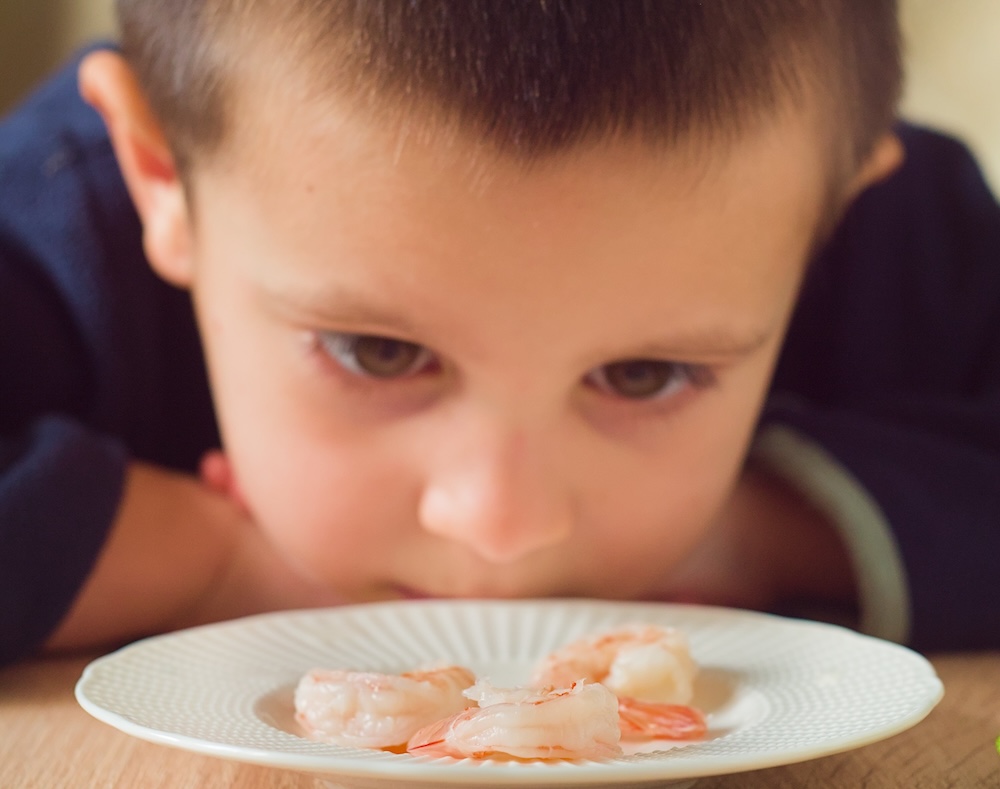
When a child shows symptoms after eating shellfish, it can be a lot for a parent to take in. From getting a diagnosis to finding the right shellfish allergy treatment, it’s easy to feel overwhelmed. As one of the most common food allergies in children, it’s a condition that deserves serious attention. So what should Atlanta parents know about dealing with pediatric shellfish allergies?
How to Help Your Child Manage a Shellfish Allergy
After eating shellfish your child could show signs of hives, swelling, digestive discomfort, wheezing and shortness of breath. Here are some top tips for what to do next, and how to manage the allergy long-term.
Start With a Professional Shellfish Allergy Diagnosis
A board-certified allergist can diagnose a shellfish allergy using skin prick or blood testing. These tests are combined with a review of symptoms and medical history to confirm the allergy and identify which shellfish – such as shrimp, prawns, crab, lobster, clams and scallops – may be triggering reactions.
Read Food Labels Carefully
Start the habit of checking food labels for shellfish of any kind. Allergists often recommend that children avoid all types of crustaceans and mollusks, so you’ll need to be aware of what’s included in sauces, soups, fried foods and prepared meals.
Always Carry Epinephrine
If your child is allergic to shellfish, there is a risk of anaphylaxis. While this type of severe reaction is less likely to occur than mild or moderate responses, you need to be prepared for emergencies. Carry two epinephrine auto-injectors at all times and ensure they are easily accessible.
Create a Shellfish Allergy Action Plan
A food allergy specialist can work with you to create a shellfish allergy action plan for your child. A typical plan includes how to recognize symptoms, what steps to take after a reaction, how to administer medication, and when to call 911.
Prevent Cross-Contact at Home and Restaurants
It only takes a small amount of shellfish or fumes from cooking it to trigger a reaction in some children. To keep your child safe, avoid cross-contact by cleaning cooking surfaces and utensils (as well as your hands) after handling shellfish. You can also ask restaurant staff about allergens and food preparation before eating.
Keep Teachers Informed About Your Child’s Allergy
Once food allergy testing has confirmed an allergy, inform your child’s teachers, relatives, babysitters and anyone else responsible for their care. Each of these people will need to know about dietary requirements and to understand the possible symptoms of an allergic reaction. They must also know how to access and administer epinephrine in an emergency situation.
Visit Us for Shellfish Allergy Treatment in the Atlanta Area
Our allergy specialists help families manage their children’s allergies to shellfish and other foods. Visit our Atlanta-area centers for expert food allergy testing and treatment solutions. To reach us, call (678) 668-4688 or request an appointment.
Image Credit – dr.Barmely/Shutterstock.com